
An FPV (first-person-view) drone doesn't capture a scene from afar — it takes the viewer inside it. The pilot flies it as if seated within, through goggles that relay the camera feed in real time, so the shot glides through a factory door, banks around a column, dives beside a racer, and exits a window — all in one continuous, cut-free take. That's what standard aerial filming can't do. This article explains the difference, the signature shots, where FPV shines, and what it demands in craft and safety.
What FPV is and how it differs from standard aerial
A standard drone is built for stability: it hovers calmly and moves with measured smoothness, ideal for balanced reveal and orbit shots. FPV, by contrast, is built for agility and speed: light, nimble, flown manually with full freedom in fast motion and tight spaces. The difference isn't only the aircraft but the skill — flying FPV manually on a path close to obstacles demands a seasoned pilot, because it doesn't rely on the same automatic stabilization. The result is a sense of motion and immersion no other camera gives.
Signature shots only FPV can capture
- The dive: a rapid drop from height down to near the ground in one breath-holding move.
- The fly-through: passing through a door, a window, or between tight obstacles without stopping.
- The chase: tracking a car, a bike, or an athlete at the same speed and up close.
- The one-take reveal: a full tour inside and outside a site with no cuts, telling the place as one connected story.
Where FPV shines
- Facilities and factories: a continuous tour crossing the production line and linking its sections in one shot that explains the whole process.
- Premium real estate: a smooth transition from outside to inside through doorways gives a sense of place that separate shots can't convey.
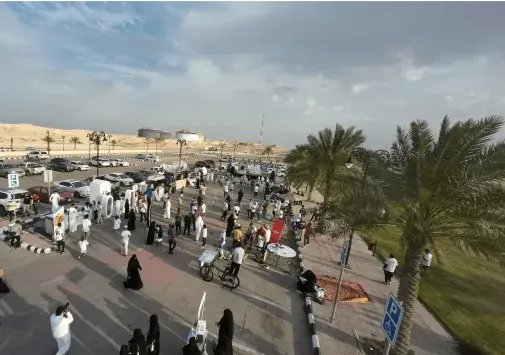
- Events: diving through the crowd and the motion gives an energy and presence a static shot can't create.
- Sports and action: a close chase puts the viewer inside the event, not a distant spectator.
Craft, safety, and planning the shoot
FPV's strength is the source of its responsibility: speed and proximity to people and obstacles demand strict operational discipline. The shot is planned and its path rehearsed before execution, a ground spotter works beside the pilot to watch the surroundings, and prop guards are used when filming near an audience. Commercial drone operation in the Kingdom is regulated by GACA, the General Authority of Civil Aviation, so the site permit is coordinated in advance. Because every FPV shot is designed as one continuous scene, planning starts from the story: what do you want the viewer to feel? Then the path that tells it is drawn.
Have a story that deserves to be told in one unforgettable shot? Get in touch — we design the path, film it safely, and deliver it ready. Learn about our FPV drone shots service.