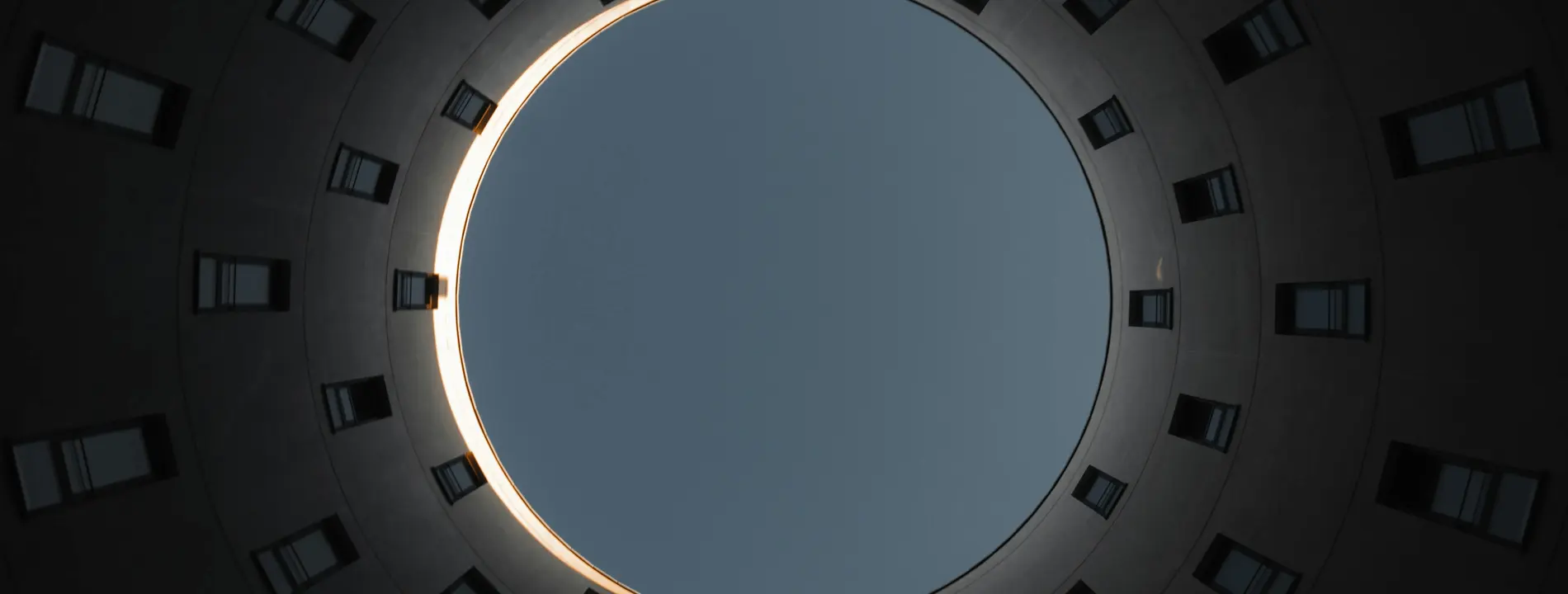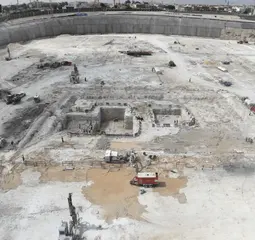
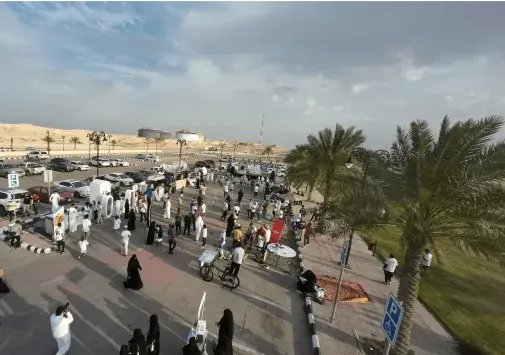
An aerial shot does what a ground shot can't: it gives context. A residential compound ringed by amenities, a villa overlooking a waterfront, a factory at its true scale, an event full of attendees — all told in two seconds from above. That's why aerial drone filming has become an essential marketing tool for real estate and brands in Saudi Arabia. But the difference between a shot that sells and one that's forgotten isn't the aircraft — it's the planning and the craft. This article explains what makes the difference.
Why aerial footage sells
A buyer or a client decides in the first few seconds. An aerial shot gives three things at once: location (what surrounds the property and how it connects to its context), scale (the true size a ground photo can't convey), and impression (a sense of premium completeness that lifts perceived value). In marketing, that translates into longer watch time and higher engagement — because the eye stops at an angle it hasn't seen before.
The shots that make the difference
- The reveal: the camera rises or pulls back to gradually uncover the property and its surroundings — a strong opener.
- The orbit: the camera circles the subject, showing it from every side in one fluid move.
- Top-down: a straight-overhead shot that clearly explains layout, area, and boundaries.
- Proximity / fly-through: a smooth, close pass that gives a sense of motion and detail together.
Planning a shoot: scouting, permits, and timing
A beautiful shot is made before take-off. It starts with scouting the site to identify angles, obstacles, and available airspace, then choosing the timing: the golden hour after sunrise or before sunset gives warm light and shadows that bring out the terrain, while harsh midday ruins many shots. Weather is decisive — strong wind and dust are the enemy of stability. And commercial drone operation in the Kingdom is regulated by GACA, the General Authority of Civil Aviation, so the site permit is coordinated in advance; at Skyin our pilots are certified and this coordination is part of the service, not a burden on you.
Delivery format and choosing an operator
The same footage is delivered in two different formats depending on the platform: vertical (9:16) for short-form mobile content, and landscape (16:9) for screens, websites, and presentations. Agree upfront on the format, resolution (usually 4K), and final deliverables — raw clips or a finished edit with music and branding. And when choosing an operator, don't ask only about the aircraft, but about the pilot's certification, a portfolio resembling your project, and how they deliver. Craft and planning, not the equipment alone, are what make a shot that sells.
Have a property or brand that deserves to be seen from above? Get in touch — we plan the shots, film them, and deliver in the format your platform needs. Learn about our aerial filming service.