
Computer Vision & Defect Detection
AI models that spot cracks, corrosion, and anomalies before they become failures
Manually reviewing thousands of images is slow, exhausting, and misses subtle defects. Our computer vision models inspect imagery automatically — from drones or fixed cameras — and flag cracks, corrosion, leaks, and anomalies with an accuracy and consistency that never fatigues.
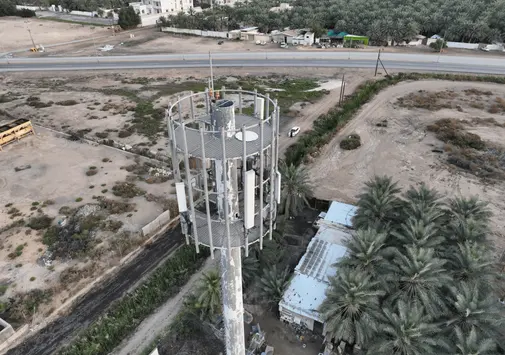
What sets us apart: we don't just deliver software. Our own team flies the drones that capture the data, with certified pilots and civil engineers who understand what the findings mean. From aerial capture to a classified defect report — one integrated pipeline from a single provider.
Use cases
Building & facade inspection
Detecting cracks and facade deterioration from high-resolution aerial imagery — no scaffolding, no shutdowns.
Industrial asset inspection
Tracking corrosion and damage on tanks, piping, and steel structures with documented periodic scans.
Solar panel inspection
Identifying failed or soiled panels via aerial capture and automated image analysis.
Site safety monitoring
Spotting safety violations and missing protective equipment on worksites from images and video.
How we work
- 1
Define target defects
We agree on what must be detected and the accuracy your decisions require.
- 2
Capture & dataset build
We capture imagery by drone or use your archive, and prepare the training data.
- 3
Model training & validation
We train the model and validate accuracy on real cases, reviewed by our engineers.
- 4
Reporting & recurring runs
You receive classified, geo-located defect reports, with recurring inspections scheduled.
What you receive
- A computer vision model calibrated to your assets
- Classified, geo-located defect reports
- Documented before/after imagery per finding
- A repeatable recurring inspection plan
Common questions
Do you need our existing images, or do you capture them?
Either works — we operate certified drones for aerial capture, and we can also train models on your existing image archive.
How accurate is the detection?
It depends on the defect type and image quality — which is why we start with a calibration phase that measures accuracy on your actual cases before full reliance.
Does this replace manual engineering inspection?
It focuses it rather than replaces it — the model screens everything and flags suspect areas, so your engineers spend their effort only where it's needed.
Related services
Ready to see what others miss?
Tell us about your project and we'll show you how AI and aerial technology can help.
Start a Conversation